


No products in the cart.

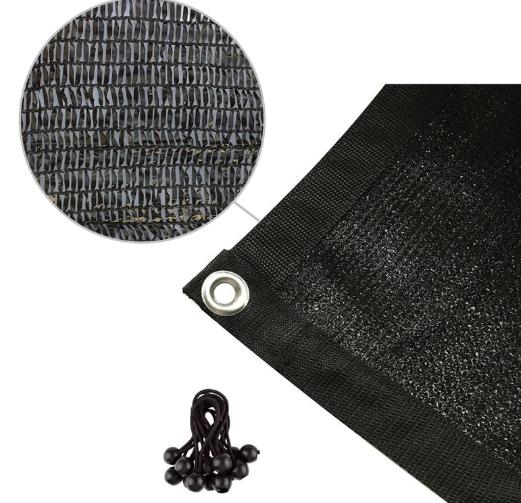
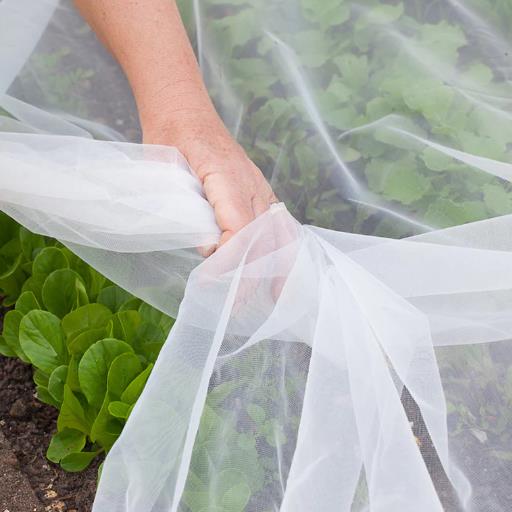
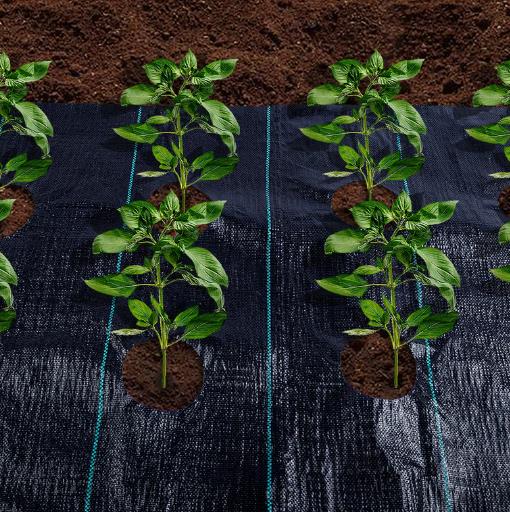



Keeping weeds under control is one of the most important steps in creating a thriving garden. Weed barriers offer a practical solution, but not all fabrics are created equal. The two most common types—woven and non-woven weed barrier fabrics—serve different purposes, and choosing the right one can make a big difference in your garden’s success.
1. What Is a Woven Weed Barrier?
Woven weed barrier fabric is made of tightly woven polypropylene or polyethylene fibers. Its weave structure allows water and air to pass through while blocking sunlight, which prevents most weeds from growing.
Best for:
-
Long-term landscaping projects
-
Flower beds, shrub areas, and pathways
-
Areas where durability is a priority
Pros:
-
Strong and long-lasting (often 5+ years)
-
Effective weed suppression
-
Allows some water and air circulation
Cons:
-
Can be harder to cut and install
-
Less suitable for delicate root systems
2. What Is a Non-Woven Weed Barrier?
Non-woven weed barrier fabric is made by bonding fibers together rather than weaving them. It has a felt-like texture and is typically used in more specialized applications.
Best for:
-
Under mulch or gravel
-
Vegetable gardens and flower beds where breathability is critical
-
Short-to-medium-term projects
Pros:
-
Easier to handle and cut
-
Excellent permeability for water and nutrients
-
Often more affordable
Cons:
-
Less durable compared to woven fabrics
-
May degrade faster under heavy use or direct sunlight
3. Key Differences at a Glance
| Feature | Woven Fabric | Non-Woven Fabric |
|---|---|---|
| Durability | High (5+ years) | Moderate (1–3 years) |
| Water/Air Flow | Moderate | Excellent |
| Ease of Installation | Harder to cut | Easy to cut and handle |
| Best Use | Long-term landscaping, shrubs | Vegetable gardens, seasonal beds |
4. How to Choose the Right One
-
If your goal is long-term, low-maintenance landscaping, such as under decorative gravel or in perennial beds → go with woven fabric.
-
If you’re working on a shorter-term or seasonal garden where roots need lots of airflow → choose non-woven fabric.
-
In many cases, a combination of both can be used depending on specific areas of the garden.
Conclusion
Both woven and non-woven weed barrier fabrics have their strengths. The best choice depends on your gardening goals, the type of plants you’re growing, and how much time you want to spend on maintenance. By choosing the right fabric, you’ll enjoy a healthier garden with fewer weeds and more thriving plants.

Leave a comment