


No products in the cart.

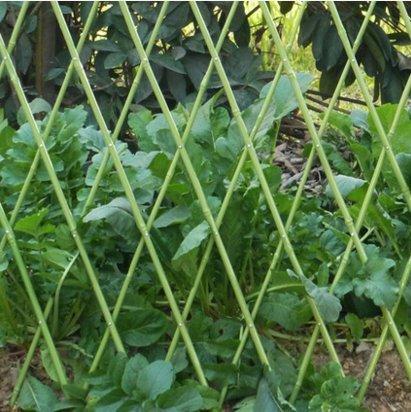



Every gardener knows the frustration of seeing their carefully nurtured plants devoured by insects overnight. Chemical sprays might work, but they also risk harming beneficial insects, soil health, and even your harvest. That’s where garden insect netting comes in — a simple, eco-friendly, and highly effective way to keep unwanted pests out while letting sunlight, air, and moisture in.
What Is Garden Insect Netting?
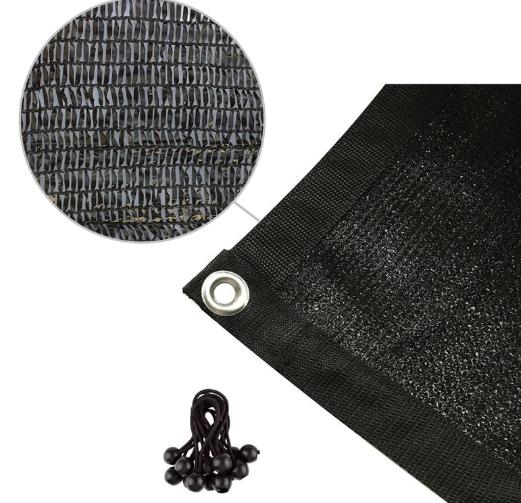
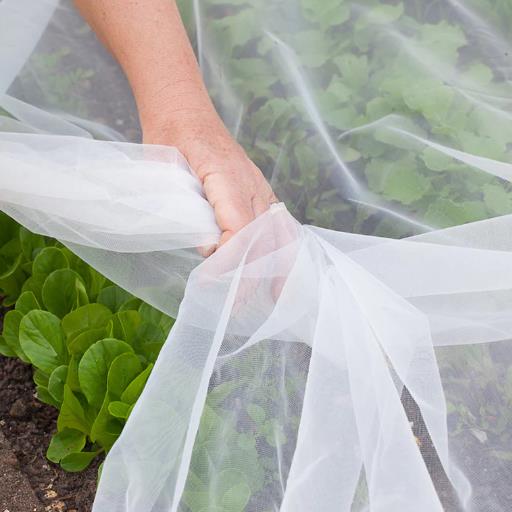
Garden insect netting is a lightweight, fine-mesh fabric designed to create a protective barrier around plants. It physically blocks insects such as aphids, cabbage worms, beetles, whiteflies, and other garden pests from reaching your crops. The netting is usually made from durable polyethylene or polyester, making it resistant to UV rays and outdoor conditions.
Key Benefits of Using Insect Netting
-
🌱 Chemical-Free Protection
Instead of relying on pesticides, insect netting offers a safe, organic solution. It’s perfect for gardeners who prefer natural methods and want to grow clean, healthy produce. -
☀️ Allows Light and Airflow
Despite its tight weave, the netting still allows sufficient sunlight, water, and air circulation — essential for healthy plant growth. -
🪴 Versatile Application
You can drape the netting directly over plants, build it into hoop frames, or wrap it around raised beds, fruit trees, and greenhouse openings. -
🐝 Protects Against Birds and Harsh Weather
In addition to insects, the netting also keeps birds and strong winds from damaging delicate plants. -
🌿 Long-Lasting and Reusable
Quality garden insect netting can last multiple seasons when properly stored and maintained, offering excellent cost efficiency.
How to Use Garden Insect Netting
-
Measure and Cut:
Determine the size of your planting area and cut the netting accordingly, leaving some extra for securing the edges. -
Install Early:
Place the netting before pest populations become active — ideally right after planting seeds or seedlings. -
Secure the Edges:
Use garden clips, stakes, or soil to anchor the netting, ensuring there are no gaps where insects can sneak through. -
Remove During Pollination (if needed):
For flowering plants that require pollination, temporarily lift the netting to allow bees access, then reseal afterward.
Choosing the Right Insect Netting
When shopping for insect netting, consider:
-
Mesh Size: Finer mesh (0.8–1.0mm) blocks small pests like aphids; larger mesh (1.3–1.5mm) is suitable for beetles and butterflies.
-
Material Strength: UV-treated polyethylene is best for long-term outdoor use.
-
Transparency: Clear or white netting ensures better light penetration.
Garden insect netting is a must-have for anyone serious about healthy, sustainable gardening. It’s an easy, reusable, and pesticide-free way to safeguard your plants throughout the growing season. With just a few simple steps, you can enjoy lush, pest-free vegetables and flowers — naturally.
Looking for reliable insect netting for your garden or greenhouse?
Explore our premium selection of durable, UV-resistant Garden Insect Netting — available in multiple sizes for every need.
[Shop Now →] https://www.gardenport.com/collections/garden-netting

Leave a comment