


No products in the cart.

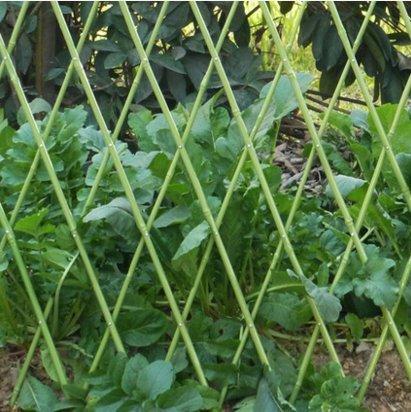



Protecting your plants from unpredictable weather, pests, and temperature changes is essential for a thriving garden. Whether you’re growing vegetables, flowers, or shrubs, plant protection covers offer an easy and effective way to maintain your garden’s health throughout the year. In this article, we’ll explore what plant protection covers are, their key benefits, and how to choose the right one for your needs.
1. What Is a Plant Protection Cover?
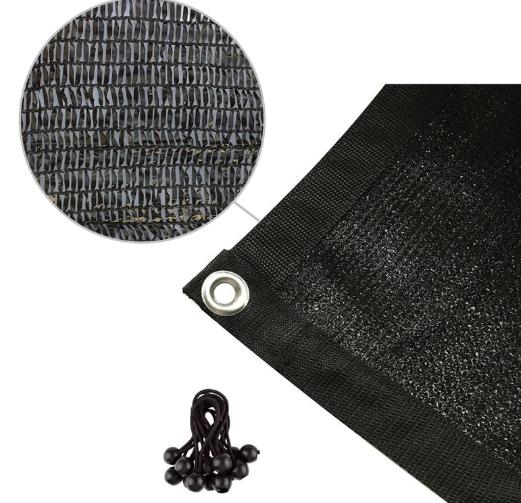
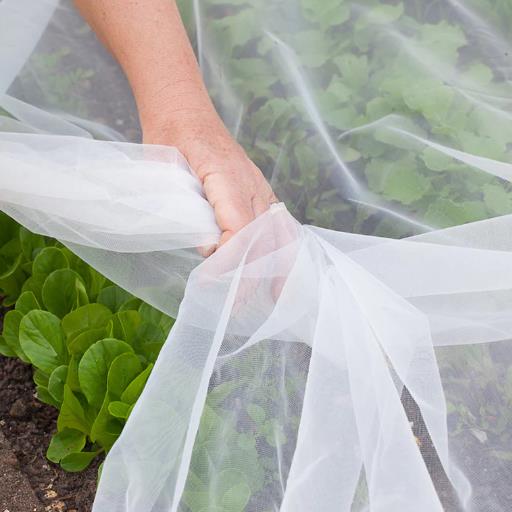
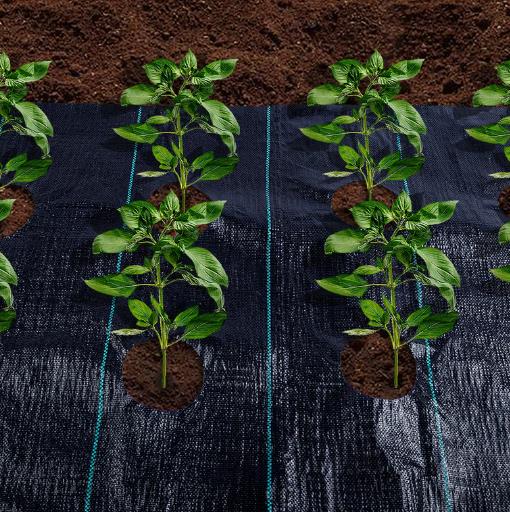
A plant protection cover is a lightweight, breathable fabric or plastic material used to shield plants from external stressors such as frost, insects, heavy rain, or intense sunlight. These covers come in different forms — from frost blankets and garden nettings to pop-up shelters and zipper-style bags. They allow air, light, and moisture to pass through while providing a layer of defense that keeps your plants safe and strong.
2. Main Benefits of Plant Protection Covers
✅ Frost and Cold Resistance
During winter or early spring, temperature drops can severely damage tender plants. Frost protection covers trap warmth from the ground, keeping the environment around your plants slightly warmer. This can make the difference between survival and damage during cold nights.
✅ Pest and Insect Control
Garden pests such as aphids, beetles, and moths can ruin a season’s work. Fine-mesh covers act as a barrier that keeps insects out without the need for harmful pesticides, helping you grow healthier and more organic produce.
✅ UV and Sun Protection
Too much sunlight can scorch plant leaves. Certain UV-resistant covers help diffuse harsh sunlight, reducing heat stress and water loss — particularly useful in hot, dry climates.
✅ Wind and Hail Protection
Strong winds or hailstorms can physically damage delicate stems or young plants. Covers create a buffer that minimizes the impact of these extreme conditions.
✅ Improved Growth Environment
Because covers maintain moisture and warmth, they create a mild microclimate ideal for seed germination and growth. Gardeners often use them to extend the growing season — both earlier in spring and later into fall.
3. Choosing the Right Plant Protection Cover
When selecting the best cover, consider these factors:
-
Material Type: Spun-bonded fabric for frost protection, mesh netting for insect control, and plastic domes for heavy rain or wind protection.
-
Size & Shape: Choose a size that fully covers your plants but allows enough air circulation.
-
Ease of Use: Zippered or drawstring covers are convenient for small plants, while floating row covers are ideal for larger garden beds.
If you want durable and customizable covers for both residential and commercial gardens, check out Gardenport.com — they provide a wide range of plant protection covers suitable for various seasons and plant types.
4. Best Practices for Using Plant Protection Covers
-
Anchor the edges of your covers securely to prevent wind damage.
-
Remove covers during pollination periods to allow bees and other pollinators access.
-
Keep covers clean and dry after each use to extend their lifespan.
-
Adjust coverage depending on weather — for instance, remove covers on warm, sunny days to avoid overheating.
5. Final Thoughts
A small investment in plant protection covers can save you countless hours of replanting and pest control. Whether you’re an amateur gardener or a professional grower, using high-quality covers is one of the smartest ways to maintain a lush, productive garden.
Protect your garden — and let it thrive — with the right plant protection cover today!
👉 Visit Gardenport.com to explore durable, weather-resistant plant protection solutions tailored to your garden’s needs.

Leave a comment