


No products in the cart.





When temperatures dip below freezing, frost can wreak havoc on your garden overnight. Tender leaves, young shoots, and even established plants can suffer serious damage if not protected in time. With the right materials and a little planning, you can shield your plants from cold snaps and keep them thriving all winter long.
1. Understand the Danger of Frost
Frost occurs when the temperature drops to the point where moisture in the air freezes on plant surfaces. This ice can rupture plant cells, leaving leaves wilted, blackened, or dead. Even a single frosty night can harm delicate flowers, vegetables, and fruit trees.
Key signs of risk:
-
Night temperatures forecasted at 32°F (0°C) or lower
-
Clear, calm nights with little wind (ideal conditions for frost formation)
2. Choose the Right Frost Covers
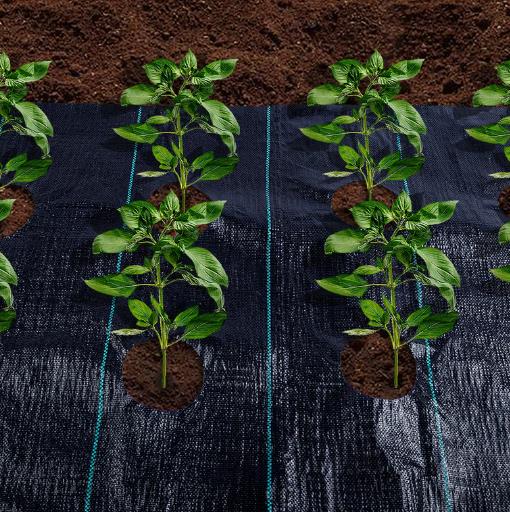
Protective covers act as a barrier, trapping ground heat and preventing frost from settling on plants. Popular options include:
-
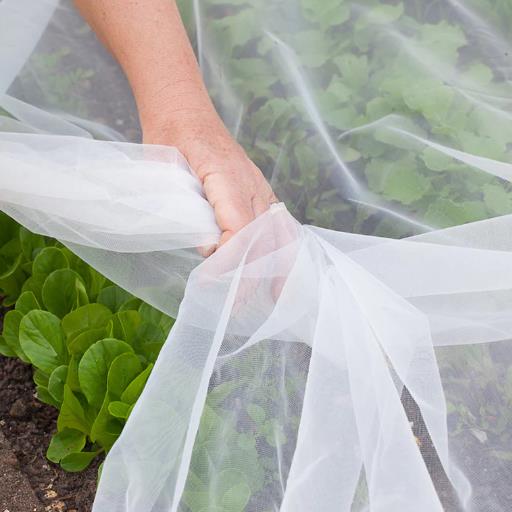
Garden Netting or Row Covers: Lightweight, breathable fabrics that let air and moisture through while holding in warmth.
-
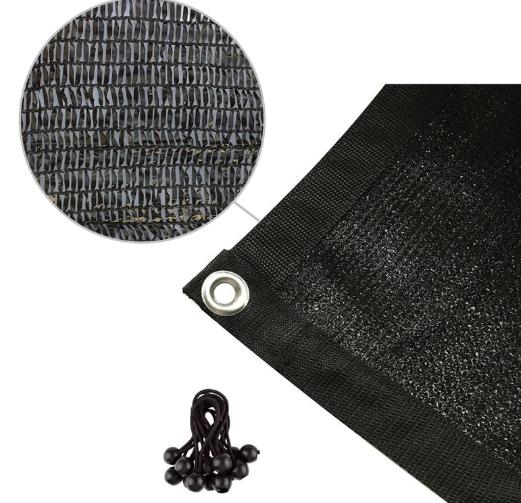
Plant Blankets or Frost Cloths: Thicker materials for severe cold, available in different thicknesses (e.g., 0.9oz–2oz).
-
Plastic Sheets (with caution): Effective but must be propped up with stakes to avoid direct leaf contact, which can trap moisture and freeze plants.
Pro Tip: Always secure covers with stakes, clips, or weights to prevent them from blowing away in wind.
3. Timing Is Everything
Put covers in place before sunset, while the soil is still warm from daytime heat. This traps residual warmth overnight. Remove covers in the morning once the temperature rises to avoid overheating plants and to let sunlight reach them.
4. Extra Tips for Maximum Protection
-
Water the Soil: Moist soil holds heat better than dry soil, keeping the surrounding air warmer.
-
Use Mulch: Add a 2–3 inch layer of straw, leaves, or wood chips to insulate plant roots.
-
Move Potted Plants: Bring containers indoors or group them together against a wall for added warmth.
🌿 Final Thoughts
Frost doesn’t have to spell disaster for your garden. By using proper covers, watching the weather forecast, and taking preventive steps at the right time, you can keep your flowers, vegetables, and fruit trees safe until spring. A few simple precautions now will reward you with healthy, vibrant plants when warmer days return.

Leave a comment