


No products in the cart.

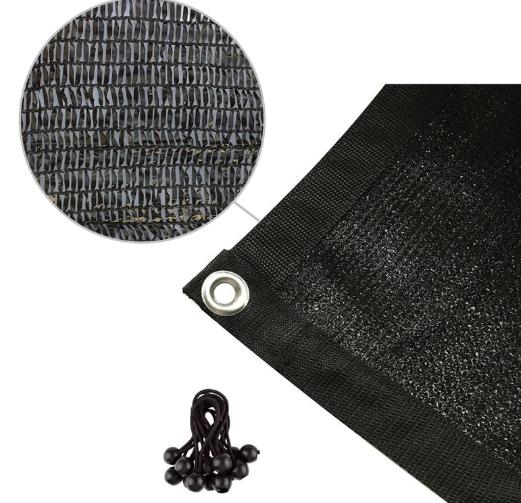
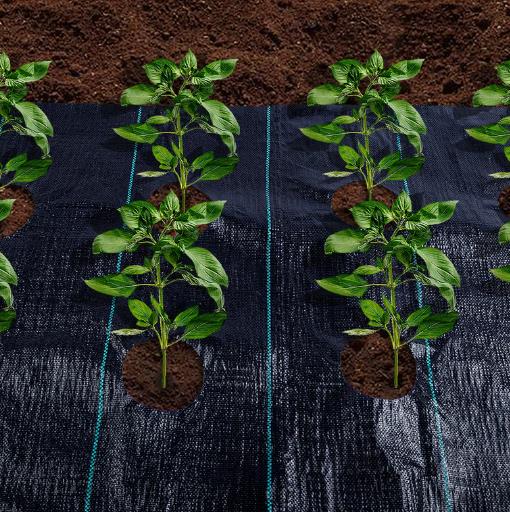



Protecting plants from harsh weather, pests, or seasonal temperature swings is essential for a healthy garden. Plant covers come in many forms, but the three most common materials—fabric, plastic, and paper—offer very different benefits.
This guide compares their strengths, weaknesses, and best uses so you can choose the right cover for your garden.
1. Fabric Plant Covers
Overview:
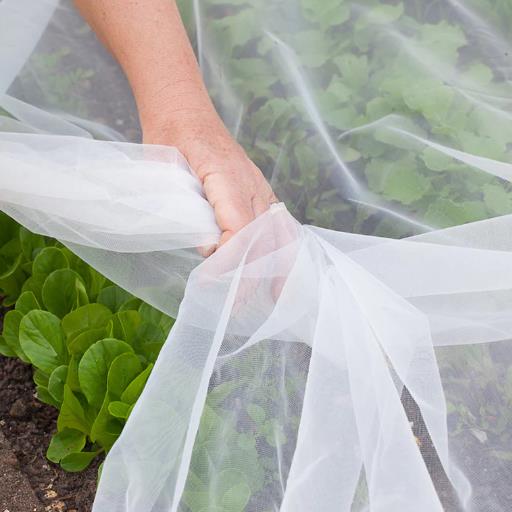
Fabric covers, often made from breathable polypropylene or polyester, are a favorite among home gardeners and commercial growers alike.
Key Advantages:
-
Breathability: Allows air, light, and water to pass through while trapping warmth.
-
Reusable: High-quality frost blankets or row covers can last multiple seasons.
-
Versatility: Suitable for frost protection, insect control, and light shading.
Best Uses:
-
Protecting vegetables and flowers from early spring or late autumn frost.
-
Keeping insects and birds off fruit trees and seedlings.
Potential Drawbacks:
-
Slightly higher cost than disposable materials.
-
May require support hoops to prevent plant damage.
2. Plastic Plant Covers
Overview:
Plastic covers, including clear polyethylene sheets and cloches, provide strong physical barriers and excellent insulation.
Key Advantages:
-
Superior Heat Retention: Creates a greenhouse effect for tender plants.
-
Moisture Barrier: Keeps rain and snow off sensitive crops.
-
Durability: Heavy-duty plastic can last an entire growing season.
Best Uses:
-
Starting seedlings in early spring.
-
Protecting potted plants during unexpected cold snaps.
-
Temporary greenhouse tunnels.
Potential Drawbacks:
-
Poor breathability—requires ventilation to avoid overheating or fungal growth.
-
Not biodegradable and may degrade under UV light over time.
3. Paper Plant Covers
Overview:
Paper covers, such as kraft paper wraps or biodegradable domes, are the most eco-friendly option.
Key Advantages:
-
Eco-Friendly: Fully compostable and biodegradable.
-
Cost-Effective: Inexpensive and widely available.
-
Easy to Use: Quick to wrap around young seedlings.
Best Uses:
-
Short-term frost protection for individual plants.
-
Shielding delicate seedlings from harsh sunlight during early growth.
Potential Drawbacks:
-
Limited durability—tears easily in heavy rain or wind.
-
Provides minimal insulation compared to fabric or plastic.
Comparison Table
| Feature | Fabric Covers | Plastic Covers | Paper Covers |
|---|---|---|---|
| Breathability | ✅ Excellent | ❌ Low | ✅ Moderate |
| Heat Retention | ✅ Good | ✅✅ Excellent | ❌ Low |
| Reusability | ✅ Multi-season | ✅ Single-season | ❌ Single-use |
| Eco-friendliness | ✅ Moderate | ❌ Low | ✅✅ Excellent |
| Ideal Season/Use | Frost & Pest Control | Greenhouse/Seed Starting | Short Frost Events |
Choosing the Right Cover
-
For long-term frost protection → Choose fabric for breathability and durability.
-
For maximum heat in early spring → Use plastic for greenhouse-like insulation.
-
For eco-conscious short-term needs → Try paper for quick, biodegradable coverage.
Tip: Many gardeners combine materials—for example, using fabric covers during the season and adding a plastic layer for unexpected cold nights.
The best plant cover depends on your climate, budget, and gardening goals. Whether you’re shielding young seedlings from a late frost or protecting fruit trees from pests, selecting the right material will help your plants thrive year-round.

Leave a comment