


No products in the cart.







As a plant enthusiast, you understand the importance of protecting your beloved greenery from harsh weather conditions. Frost can be particularly damaging to plants, causing wilting, browning, and even death. One effective method to safeguard your plants from frost is by using plant covers.
What are Plant Covers?
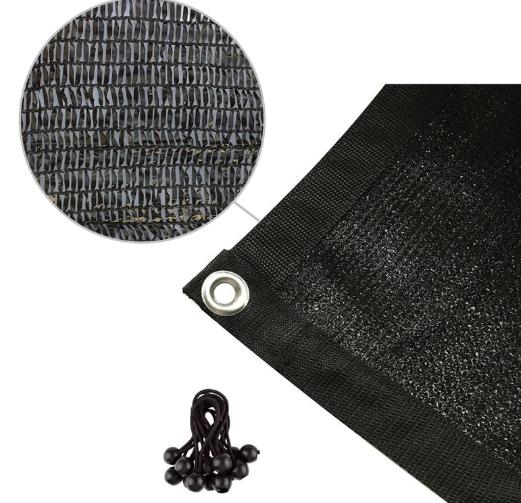
Plant covers, also known as frost blankets or row covers, are protective fabrics designed to shield plants from extreme cold temperatures. These covers create a barrier between the plant and the frost, trapping heat and preventing the plant from freezing.
How Do Plant Covers Work?
Plant covers work by creating a microclimate around the plant. The cover traps heat from the soil and the sun during the day, acting as an insulator to keep the plant warm. At night, the cover retains the heat, preventing the plant from succumbing to frost damage.
When Should You Use Plant Covers?
Plant covers should be used when frost is forecasted, especially during the late spring and early fall when temperatures can drop unexpectedly. It is crucial to cover your plants before the frost sets in to provide adequate protection.
How to Use Plant Covers Effectively
When using plant covers, ensure that the covers are securely anchored to the ground to prevent them from blowing away in the wind. It is essential to drape the cover over the plant and secure it to the ground using stakes or rocks. Make sure the cover reaches all the way to the ground to trap heat effectively.
Remember to remove the plant covers during the day to allow sunlight and air circulation to reach the plants. This will prevent overheating and moisture buildup, which can be detrimental to plant health.
Benefits of Using Plant Covers
Using plant covers offers several benefits, including protecting plants from frost damage, extending the growing season, and promoting healthy growth. By investing in plant covers, you can safeguard your plants and ensure a bountiful harvest.
Now that you understand the importance of protecting your plants from frost with plant covers, you can take proactive steps to ensure the well-being of your garden. With the right tools and knowledge, you can enjoy thriving plants year-round.

Leave a comment