


No products in the cart.




As a plant enthusiast, you know the importance of protecting your green friends from harsh weather conditions. When frost threatens your beloved plants, it's crucial to take action to ensure their survival. But how exactly should you cover your plants for frost? Let's dive into the best practices for protecting your garden during those chilly nights.
Why is it important to cover plants for frost?
Before we get into the specifics of how to cover your plants, let's discuss why it's essential to do so. Frost can damage plant cells, leading to wilting, browning, and even death. By covering your plants, you create a barrier that helps trap heat and protect them from the freezing temperatures.
What materials can you use to cover your plants?
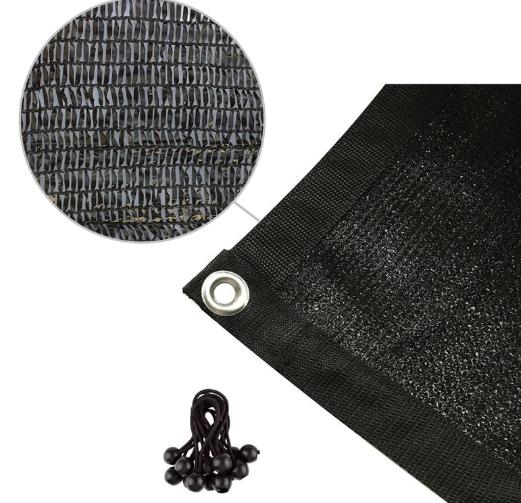
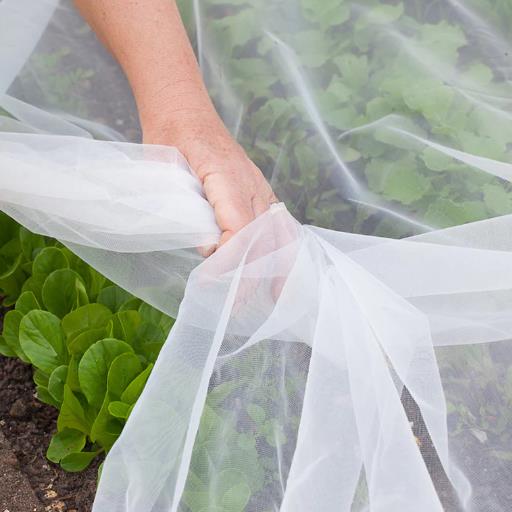
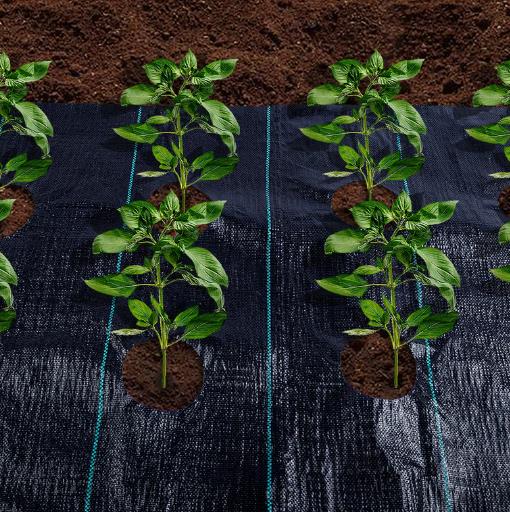
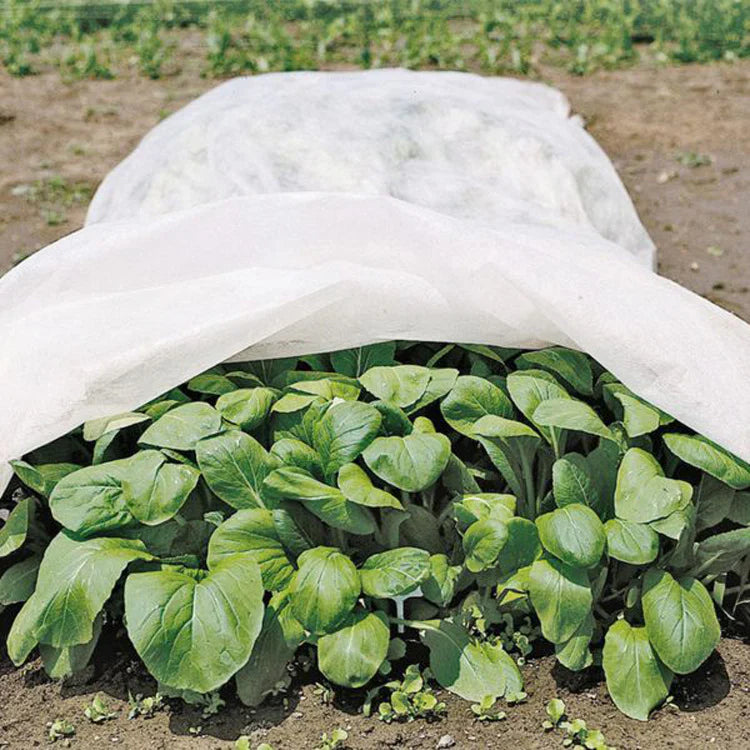
When it comes to covering your plants for frost, there are several materials you can use. Some common options include frost cloth, burlap, old bedsheets, or even plastic tarps. These materials can provide insulation and protection from the cold, helping your plants stay healthy and vibrant.
How should you cover your plants for frost?
When covering your plants for frost, it's essential to do so properly to maximize their protection. Start by draping the chosen material over the plants, making sure it reaches the ground on all sides. Secure the covering with stakes or rocks to prevent it from blowing away in the wind. Remember to remove the cover once the sun is up to prevent overheating.
When should you cover your plants for frost?
Timing is key when it comes to covering your plants for frost. It's best to cover them in the evening before temperatures drop significantly. This allows the cover to trap the heat generated by the soil and protect your plants throughout the night. Be sure to uncover them in the morning once the frost has melted.
Are there any additional tips for protecting plants from frost?
In addition to covering your plants, there are a few extra tips you can follow to safeguard them from frost. Watering your plants before a frosty night can help insulate them and prevent dehydration. Avoid fertilizing your plants during the fall to reduce new growth that may be more susceptible to frost damage.

By following these guidelines and taking the necessary precautions, you can effectively protect your plants from frost and ensure they thrive throughout the colder months. Remember, a little extra care goes a long way in preserving the beauty of your garden!
Leave a comment