


No products in the cart.

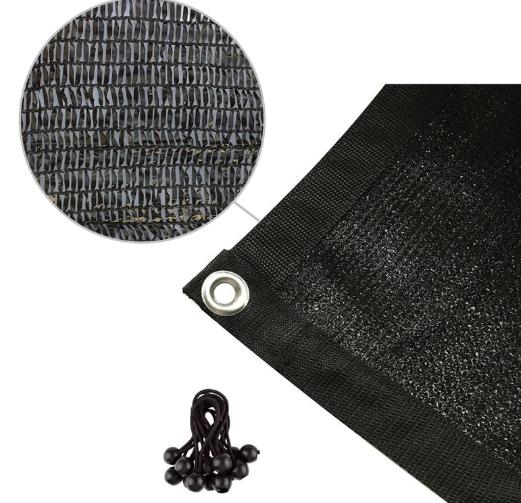
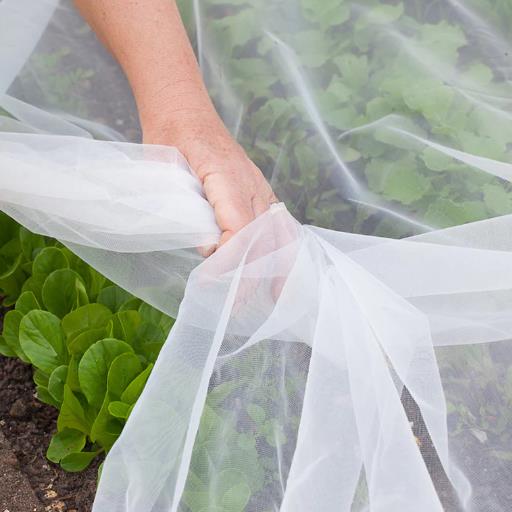
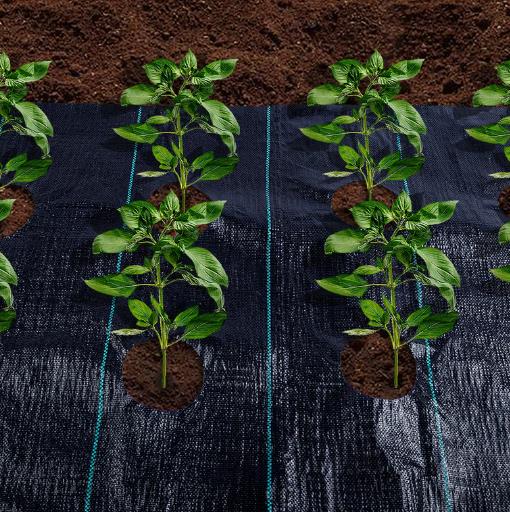
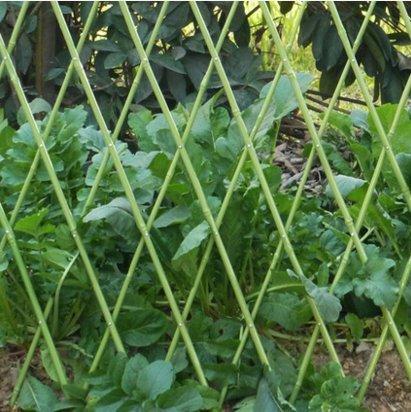



Protecting your plants from pests is one of the biggest challenges for gardeners. Insect netting offers an eco-friendly, chemical-free way to keep bugs out while allowing sunlight, air, and moisture to pass through. But not all nettings are created equal — choosing the right one depends on your plants, climate, and the type of insects you’re dealing with.
Here’s a complete guide to help you select the best insect netting for your garden.
1. Why Use Insect Netting?
Insect netting acts as a physical barrier that keeps common garden pests — such as aphids, beetles, cabbage moths, and whiteflies — away from your crops. Unlike chemical pesticides, it’s safe for pollinators, pets, and people. Plus, it helps reduce disease transmission and can even offer partial protection from wind and harsh sunlight.
2. Choosing the Right Material
The two most common materials for garden insect netting are:
Polyethylene (PE):
Lightweight, UV-resistant, and durable. Perfect for outdoor gardens exposed to sunlight and rain.
Polypropylene (PP):
Slightly softer and more flexible, often used for smaller garden frames or short-term protection.
When choosing materials, look for UV-treated or anti-aging nettings. These last longer under outdoor exposure and maintain their strength season after season.
3. Understanding Mesh Size (Hole Size)
Mesh size determines what kind of insects your netting can block.
Here’s a quick guide:
Mesh Size Hole Diameter Best For Blocking
25–40 mesh ~1.0 mm Large insects (beetles, grasshoppers)
40–60 mesh ~0.6–0.8 mm Whiteflies, cabbage moths, small beetles
60–80 mesh ~0.3–0.5 mm Aphids, thrips, and very small flying insects
For general use in home gardens, 50–60 mesh is a great balance between airflow and protection.
4. Tips for Installation and Use
Keep it sealed: Secure the edges of your netting to the ground with soil, clips, or garden staples to prevent insects from sneaking in.
Allow room for growth: Create a frame or hoop tunnel to prevent the net from touching plant leaves directly.
Clean regularly: Dust, dirt, or debris can block sunlight. Clean gently with water when needed.
Remove during pollination: For plants that rely on pollinators (like cucumbers or squash), temporarily remove or open the netting to allow bees in.
5. Extra Benefits
In addition to pest protection, insect netting can:
Reduce the spread of fungal and viral diseases.
Provide moderate wind and sun protection.
Extend the growing season by stabilizing temperature and humidity.
Final Thoughts
Choosing the right insect netting is all about balance — you want maximum protection with good airflow and light transmission. By understanding the materials, mesh size, and proper installation, you can keep your garden healthy and thriving without relying on harmful pesticides.
Whether you’re growing vegetables, flowers, or fruit trees, the right insect netting will be one of your best gardening investments.

Leave a comment