


No products in the cart.





When temperatures suddenly dip, a single frosty night can damage or even kill tender plants. The good news is that with the right materials and techniques, you can shield your garden and help it survive the cold. Here’s a practical guide on how to cover plants for frost to keep your landscape healthy through chilly weather.
1. Why Frost Protection Matters
Frost forms when the air temperature drops to around 32°F (0°C) or lower, causing water vapor to freeze on plant surfaces. This ice disrupts plant cells, leaving leaves wilted, blackened, or dead. Protecting your plants with covers creates a barrier that traps ground heat and prevents frost from settling.
2. Best Materials for Frost Protection
Choosing the right cover is key to success. Different materials provide different levels of warmth and airflow.
-
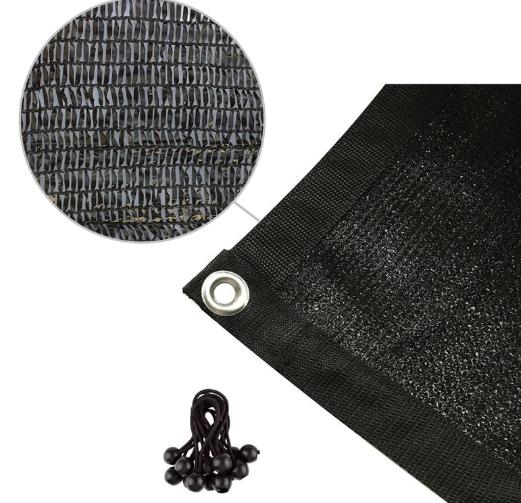
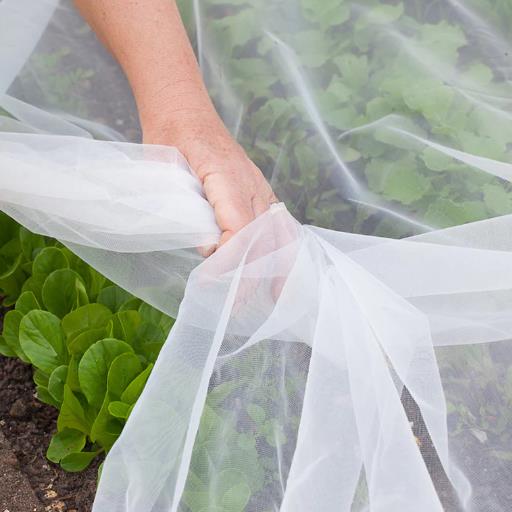
Frost Cloth or Plant Blanket: Lightweight, breathable fabric specifically designed to trap heat while allowing air and moisture to pass through.
-
Garden Netting or Row Covers: Good for mild frost, especially when combined with stakes to create a protective tunnel.
-
Old Bedsheets or Blankets: A budget-friendly option for emergency frost nights—just avoid heavy materials that may crush plants.
-
Plastic Sheeting (with caution): Effective at retaining warmth but must be kept off the leaves to avoid trapping moisture that can freeze and damage plants.
Pro Tip: Always secure covers with rocks, bricks, or garden clips to prevent them from blowing away in the wind.
3. Timing Your Covering
-
Before Sunset: Cover plants in the late afternoon while the soil is still warm. This traps daytime heat beneath the cover.
-
Morning Removal: Remove covers once temperatures rise above freezing to allow sunlight and airflow, preventing overheating and mold growth.
4. Step-by-Step Frost Covering Guide
-
Prepare the Area: Clear debris and water the soil lightly—moist soil retains heat better than dry soil.
-
Set Up Supports (if needed): For tall or delicate plants, use stakes or hoops to keep covers from touching leaves directly.
-
Drape the Cover: Extend the cover all the way to the ground, overlapping edges to trap warm air.
-
Secure the Edges: Use weights or clips to keep covers in place overnight.
-
Uncover in the Morning: Let plants breathe once temperatures rise to avoid excess humidity.
5. Extra Tips for Maximum Protection
-
Double Layer for Extreme Cold: For unexpected freezes, add an extra layer of cloth or mulch around the base of plants.
-
Use Mulch: A 2–3 inch layer of straw, wood chips, or leaves insulates roots even when air temperatures fall.
-
Move Containers Indoors: Potted plants can be grouped together in a garage, porch, or greenhouse for extra warmth.
🌿 Final Thoughts
Covering plants for frost doesn’t require expensive materials or complex techniques. By preparing ahead, selecting the right cover, and timing your efforts carefully, you can protect flowers, vegetables, and shrubs from cold damage. A few extra minutes of care before a frost warning can save your garden and reward you with thriving plants when spring arrives.

Leave a comment