


No products in the cart.

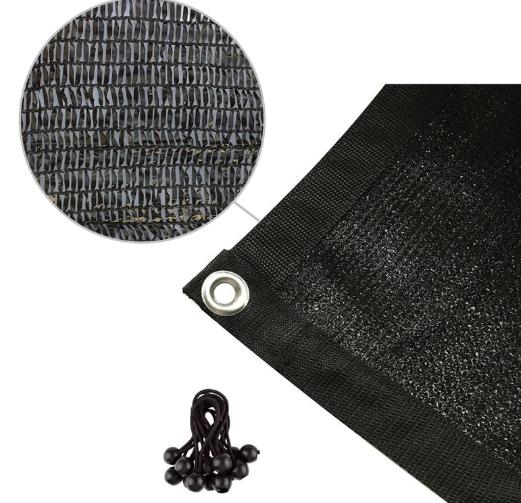
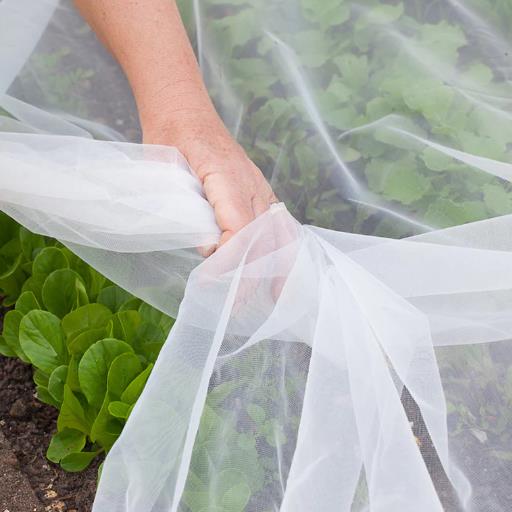
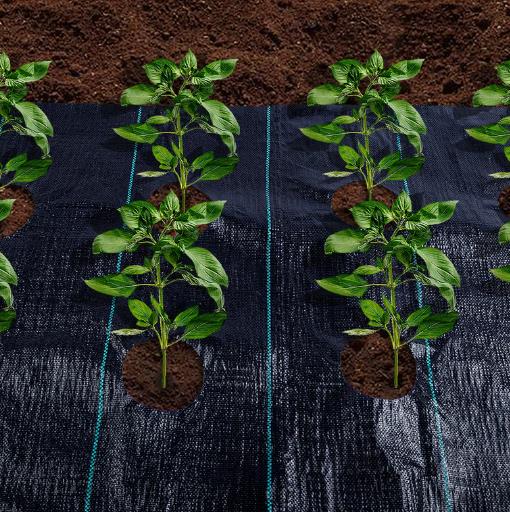



Insect netting is one of the most effective and eco-friendly ways to protect your garden from pests. Whether you’re growing vegetables, herbs, or flowers, a good insect net can keep bugs out without the need for harmful chemicals.
However, many gardeners make small but costly mistakes when using insect netting, reducing its effectiveness and even damaging their plants over time.
In this article, we’ll look at five common mistakes people make with insect netting — and how you can avoid them to get the best results.
1. Choosing the Wrong Mesh Size
The mistake:
Many gardeners think any netting will work as long as it covers the plants. But the mesh size determines what kind of insects can pass through.
How to avoid it:
Choose your mesh size based on the pests you’re dealing with:
Fine mesh (0.6–0.8mm) blocks aphids, whiteflies, and thrips.
Medium mesh (1.0–1.2mm) protects against moths, beetles, and caterpillars.
Larger mesh (1.5–2.0mm) keeps out butterflies and grasshoppers while allowing more airflow.
If you’re unsure, start with a 0.8–1.0mm insect net — it offers a good balance between protection and ventilation.
2. Not Securing the Edges Properly
The mistake:
Even a small opening at the edge can allow pests to crawl in. Many gardeners simply drape the netting loosely over their crops, leaving gaps at the sides or bottom.
How to avoid it:
Use garden staples, pins, or soil anchors to hold the netting firmly to the ground.
Bury the edges under a small layer of soil for complete protection.
For raised beds, use PVC hoops or metal frames to keep the netting tight and lifted off the plants.
A well-secured netting system is key to keeping even the smallest insects out.
3. Blocking Too Much Sunlight or Airflow
The mistake:
Choosing overly thick or opaque netting can block sunlight and reduce air circulation. This can lead to overheating, fungal diseases, and stunted plant growth.
How to avoid it:
Select lightweight and breathable insect nets that allow at least 85–90% light transmission.
Look for high-quality UV-resistant polyethylene (PE) material — it offers durability without sacrificing airflow or sunlight.
4. Leaving the Netting On All the Time
The mistake:
While it’s tempting to leave insect nets on constantly, doing so can prevent pollination, especially for fruiting crops like cucumbers, peppers, or squash.
How to avoid it:
Remove or open the netting during flowering periods to allow bees and other pollinators to access the plants.
Alternatively, use nets only during the early growing stage when pest pressure is highest.
Timing your netting use properly ensures both protection and healthy crop development.
5. Ignoring Maintenance and Cleaning
The mistake:
Over time, dirt, debris, or even dead insects can clog the mesh, reducing airflow and light. Damaged areas may also become entry points for pests.
How to avoid it:
Gently wash your insect nets with water every few months.
Check regularly for holes or tears and repair them with clips or tape.
At the end of the season, dry and store them in a clean, shaded place.
Proper maintenance can extend your insect net’s life up to 3–5 years.
Final Thoughts
Insect netting is a simple yet powerful solution for natural pest control. By avoiding these five common mistakes — and choosing the right mesh size, installation method, and maintenance routine — you can protect your plants more effectively and enjoy a healthier, pesticide-free garden.
If you’re looking for durable, UV-resistant insect nets for your garden or greenhouse, explore our selection at GardenPort.com
— we offer a range of high-quality options designed for long-term outdoor use.

Leave a comment